‘Hey, what did you mean when you said that thing about your “bad ear” before?’
Frida loops her hair back behind her left ear. And taps it with her finger.
‘Good ear.’
Then she turns her head so I can see her other ear, the one carrying all the heavy metal, and taps that.
‘Bad ear.’
It must be pretty obvious that I’m not quite with her because she repeats the pointing routine with further explanation for me.
‘Ok. So this one hears perfectly. But this one hears not at all.
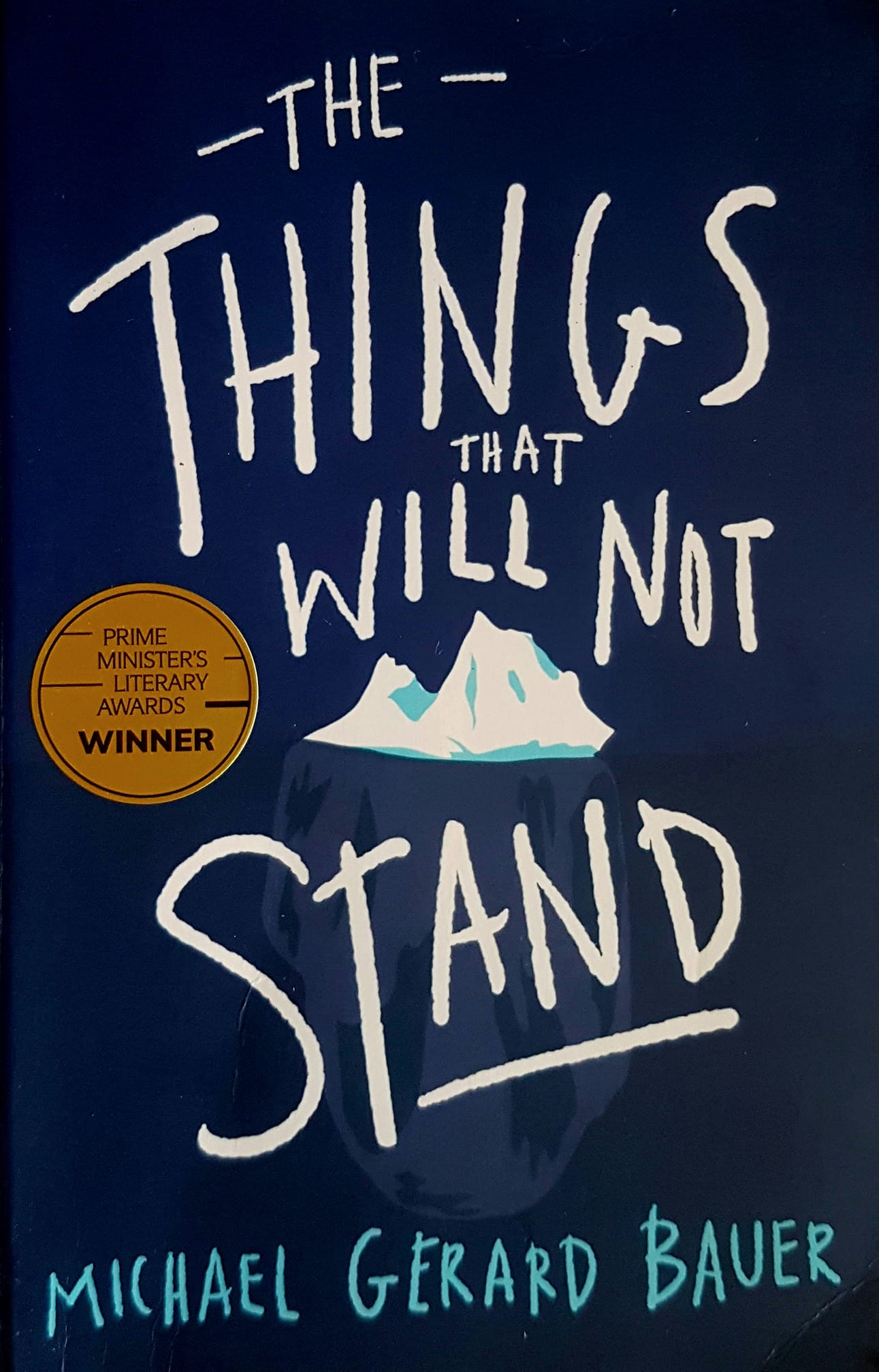
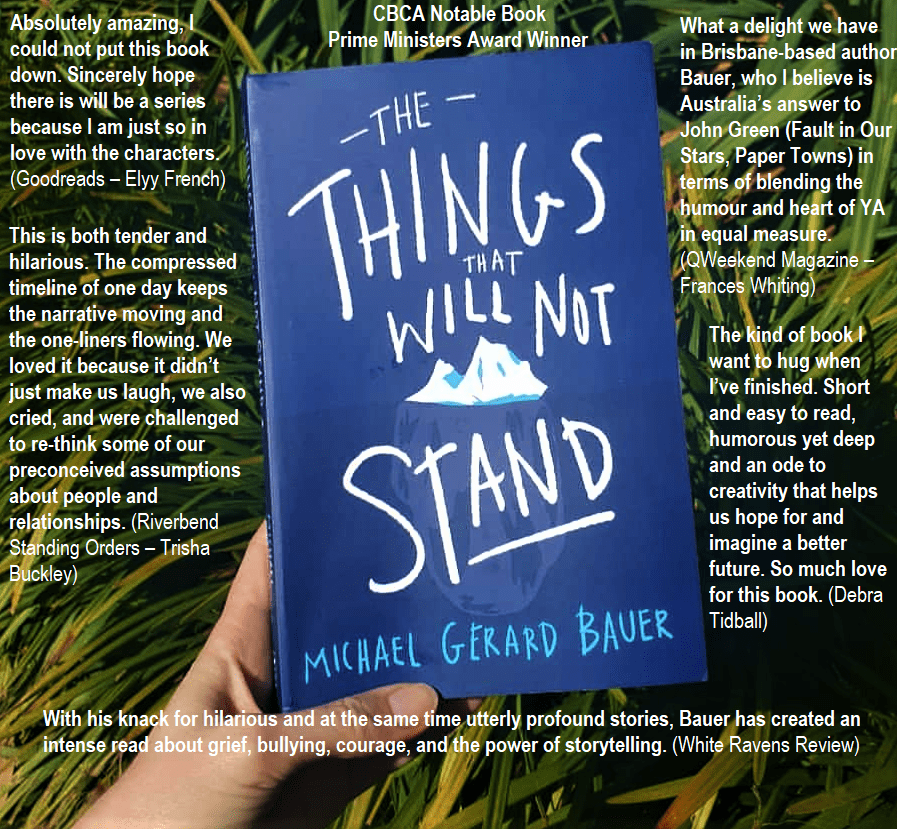
The Things That Will Not Stand– page 86.
When I was around 19 or 20 I lost the hearing in my right ear.
It happened when one of my friends crash-tackled me into a swimming pool. Unfortunately I hit the water flush on the side of my head and the pressure created punched a hole in my eardrum. I didn’t realise I’d done it at the time and went on swimming for the rest of the afternoon.
End result. Water in the inner ear. Nerve damage. And as Hamlet might say, the rest is silence.
The hearing loss affected my life in different ways. Only one of them was positive.
Early in my writing career I thought about creating a story where the main character loses, or has lost, the hearing in one ear. Write about what you know, right? But I couldn’t come up with anything worthwhile. Even though my own hearing loss was something that had a significant impact on my life, it just didn’t seem substantial enough to base a whole novel around.
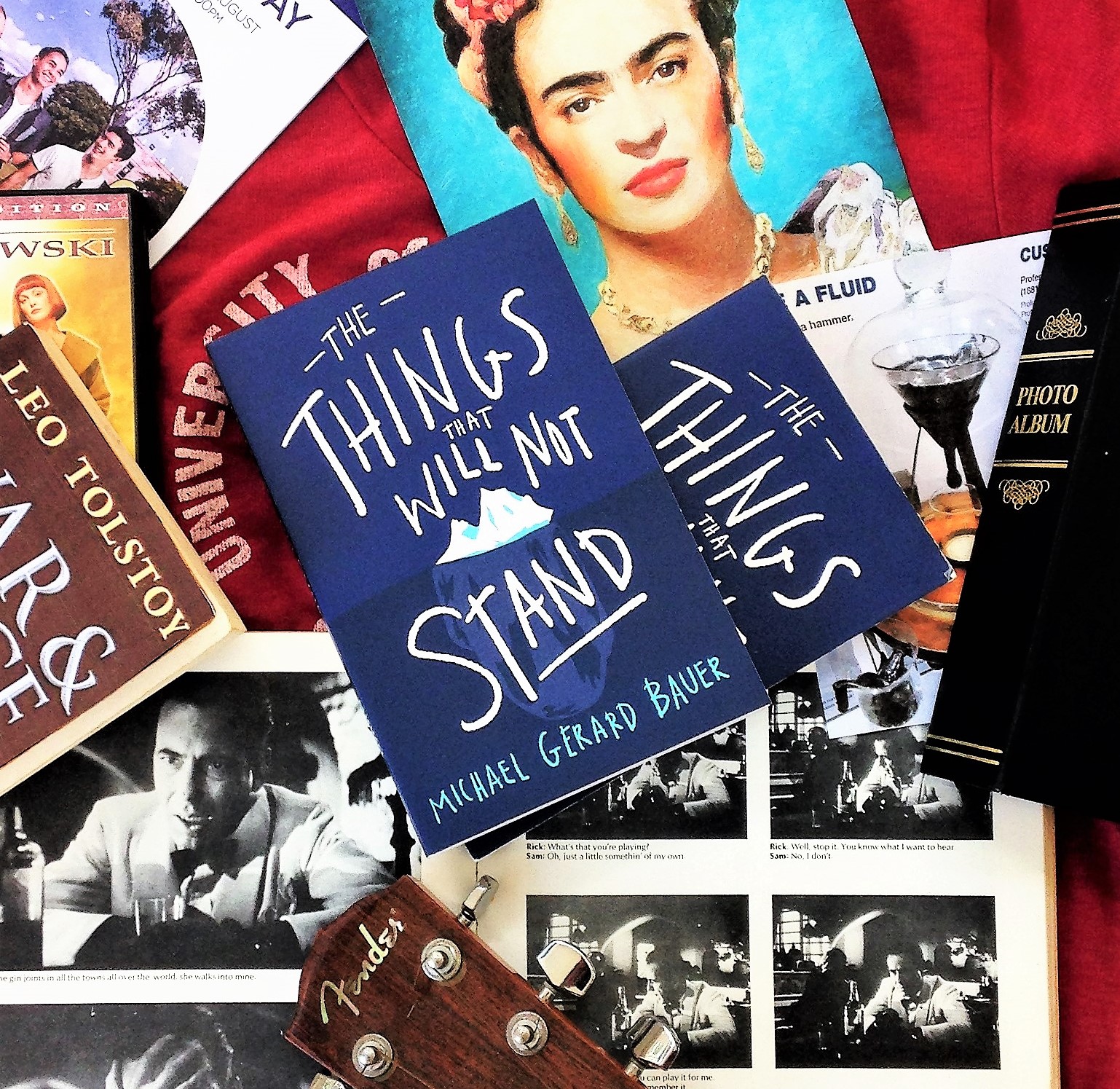
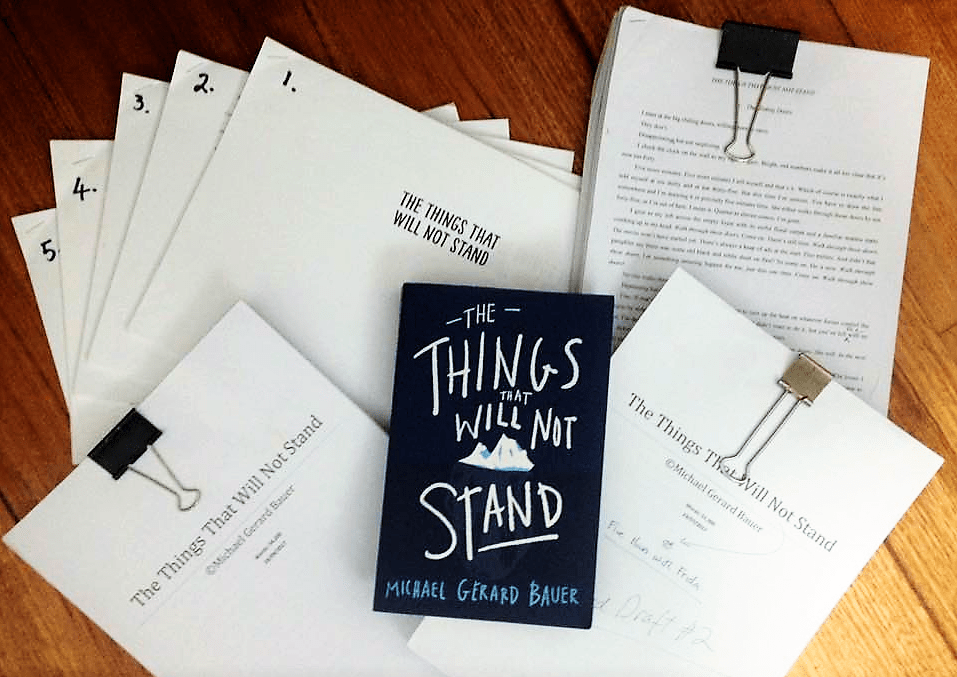
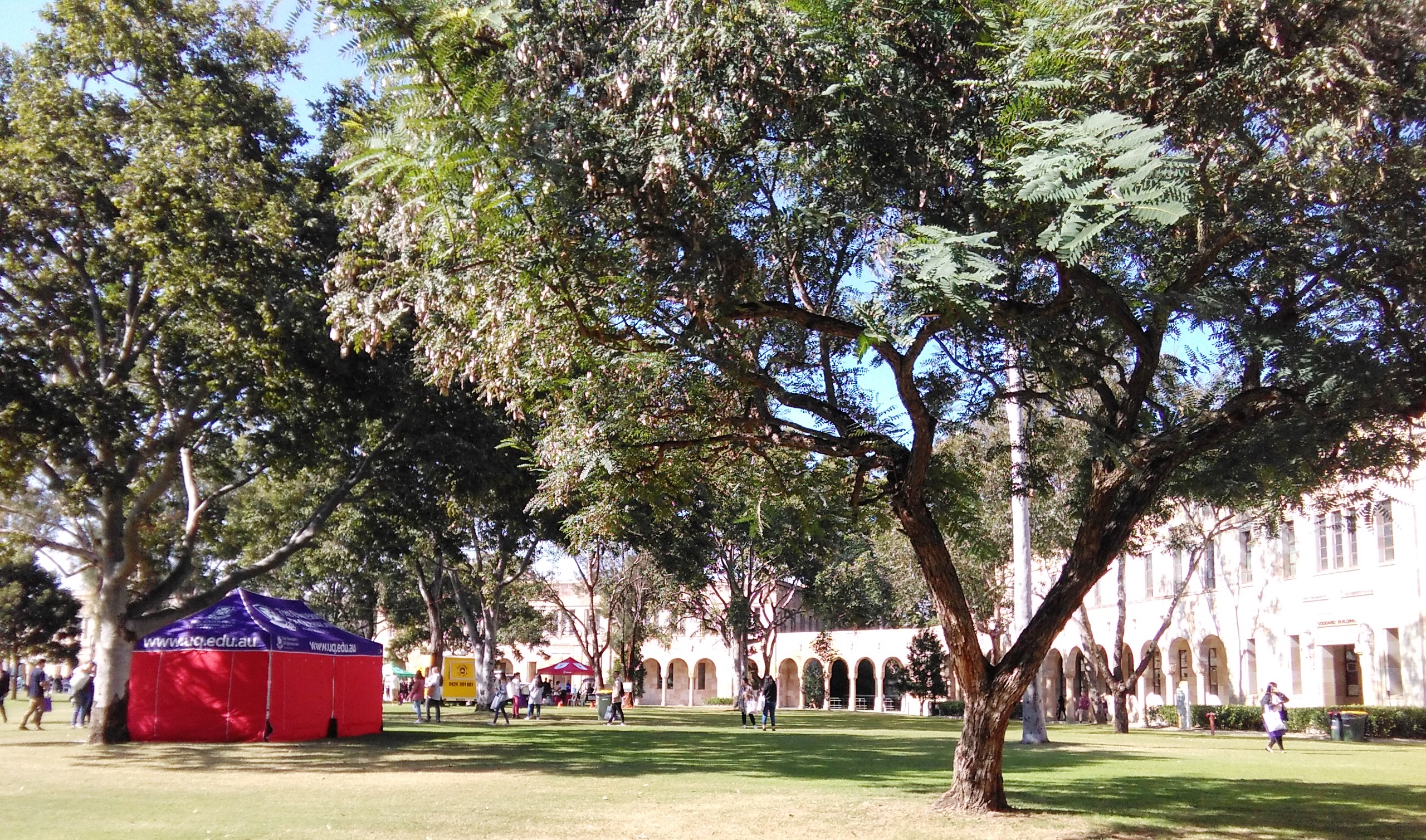
Then years later I started writing the story that would become The Things That Will Not Stand and I was trying to work out what the key character of Frida (a girl who a boy called Sebastian meets at a Uni Open day) would be like.
There was only one thing I knew about Frida early on. Her haircut. This haircut …
Besides just liking the style, I wanted Frida to look different from different angles. This was because I wanted her to be a quirky, mysterious character whose real story, personality and feelings were hard to nail down. Her appearance was meant to reflect that.
To emphasize the point visually, I decided that as well as one side of her head being shaved, the ear on that side would also be loaded with jewellery and piercings, while the other ear would be completely bare.
As a result, when the Sebastian first sees Frida from side-on she reminds him – ‘of the main character from Frozen because her hair is bleached and falls in a jagged cut almost to her shoulders.’
But when she turns around Sebastian sees a different vision of Frida: ‘She’s a half a head shorter than me. And I realise now, that she’s also only half-Frozen. At least from the neck up. That’s because the hair on the right side of her head is dark and shaved close and high over her temple. The ear on that side is almost hidden under a load of metal piercings. She pushes her long hair behind her other ear and holds it there. Grey-hazel eyes squint up at me from below dark, full eyebrows.
When I was writing that scene and developing the character in my head, it dawned on me that Frida’s ears would be different in another way as well. Like me she would have complete hearing loss in one of them.
And unlike the first time I tried to put that condition in a story, this time it didn’t feel like it was a gimmick or something tacked on or some pet issue to be explored. It seemed like it belonged.
The hearing loss was a real and essential part of who Frida was.
But what I didn’t know at that early stage of the writing, was how much Frida’s hearing loss and the mystery surrounding its origin, would be a prefect fit for the story.
I also didn’t know that her hearing loss would end up being so crucial to a pivotal moment in the novel’s final scene.
So what was the one positive thing that came from my own hearing loss, I only half-hear you ask?
Well it helped me bring Frida fully to life. And I’m really grateful for that.
Because like Sebastian, I think she’s beautiful.
‘I have a division of labour,’ Frida said. ‘One ear for hearing. One ear for jewellery wearing. So Sebastian, let’s see if you’ve been paying attention. Which ear do you have to avoid if you want to guarantee you’ll be heard?’
I point at the one carrying all the metal.
‘Your “bad” ear.’
‘She’s not really bad,’ Frida says in the voice of a kindly school teacher.











 Michael Gerard Bauer Author